


Language, social norms, cultural understanding, and stereotypes. Living in a country that is not the one you were born and grew up in can be a real challenge. The process of adapting to and integrating into a new country means that our cultural identity changes and becomes plural. We don’t see ourselves as part of just one world, but of many.
The process is not linear, and everyone has a different experience.The books presented in this post offer examples of the struggles, pain, sorrow, beauty, and joy of being an immigrant or a refugee.
For more suggestions, you can have a look at Cultural Identity – Post 1 as well as Cultural Identity – Post 2.
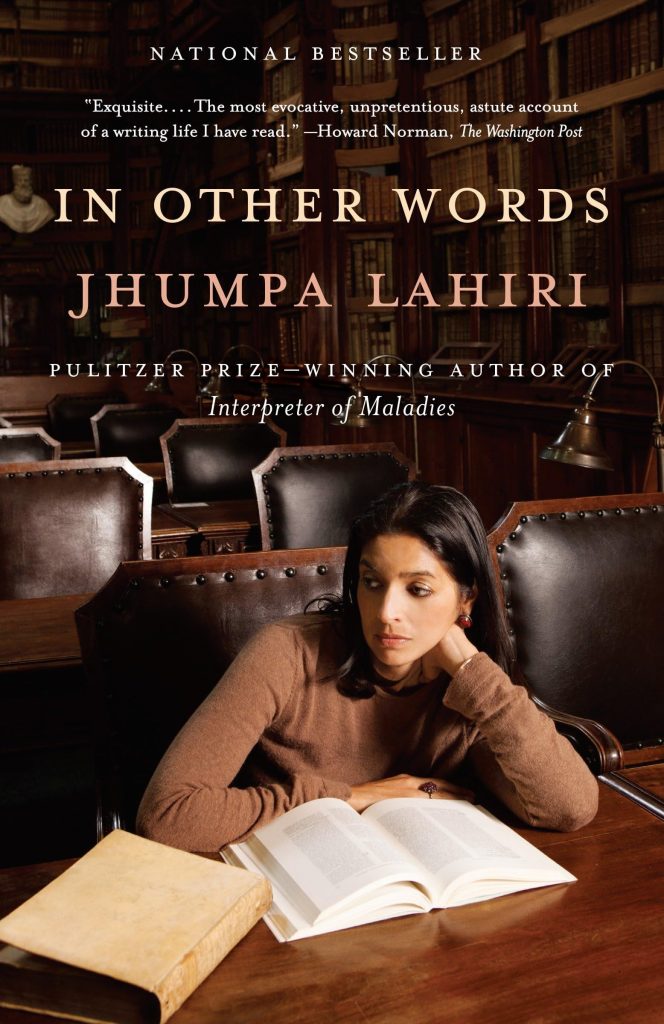
In Other Words
Jhumpa Lahiri‘s memoir is about the author’s passion for the Italian language. The original edition is in Italian and has been translated into English by Ann Goldstein. The book explores cultural identity through multilingualism. Lahiri speaks Bengali at home and English in the outside world, having migrated to America from an Indian family when she was very young. Italian later became the language she fell in love with and decided to master. She moved to Rome and started studying the language.
The memoir is a journey through her learning process, describing the vulnerability, frustration and joy of expressing herself in another language. These challenges helped her recognise that identity is a fluid concept and cannot be confined to linear boundaries. Here is a great interview in which she speaks in perfect Italian about her memoir (the video has English subtitles): iitaly – 2016, Falling in Love with the Italian Language. Interview with Jhumpa Lahiri.
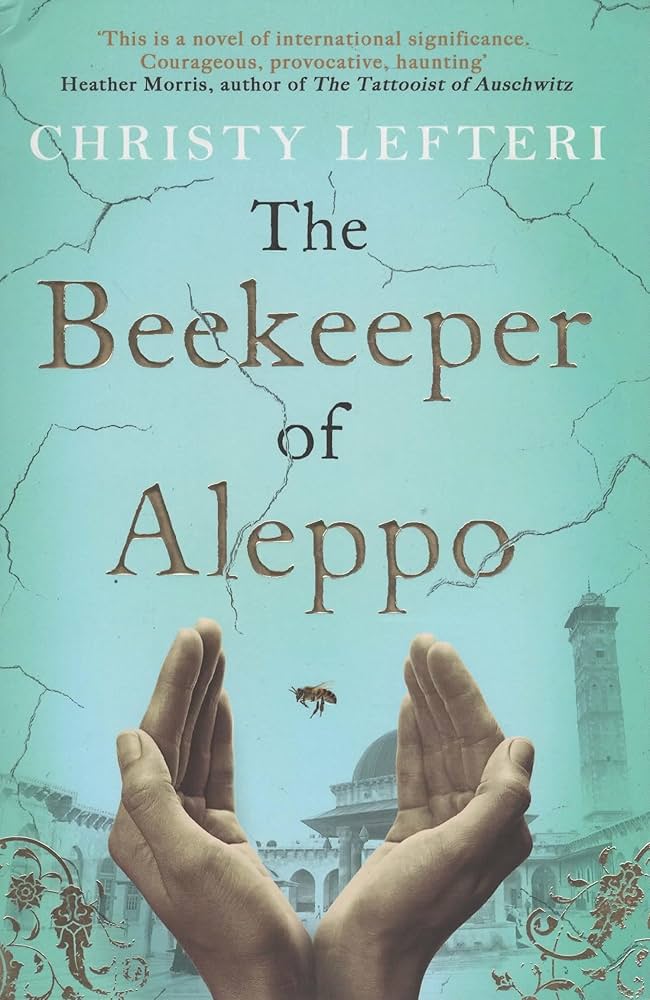
The Beekeeper of Aleppo
Christy Lefteri follows Nuri Ibrahim and his wife, Afra, as they flee Syria for a safer place. Loss, trauma, and the pressure to assimilate are the challenges they face as they try to survive and reach a safe land.
Nuri’s identity is rooted in his Syrian heritage, symbolised by beekeeping, a tradition that represents stability, community, and continuity. Afra’s blindness reflects the emotional disorientation of refugees who struggle to reconcile past and present selves.
Through memory, language, and shared traditions, Lefteri shows that cultural identity is not erased by migration but reshaped, surviving through resilience, love, and remembrance even in unfamiliar lands.
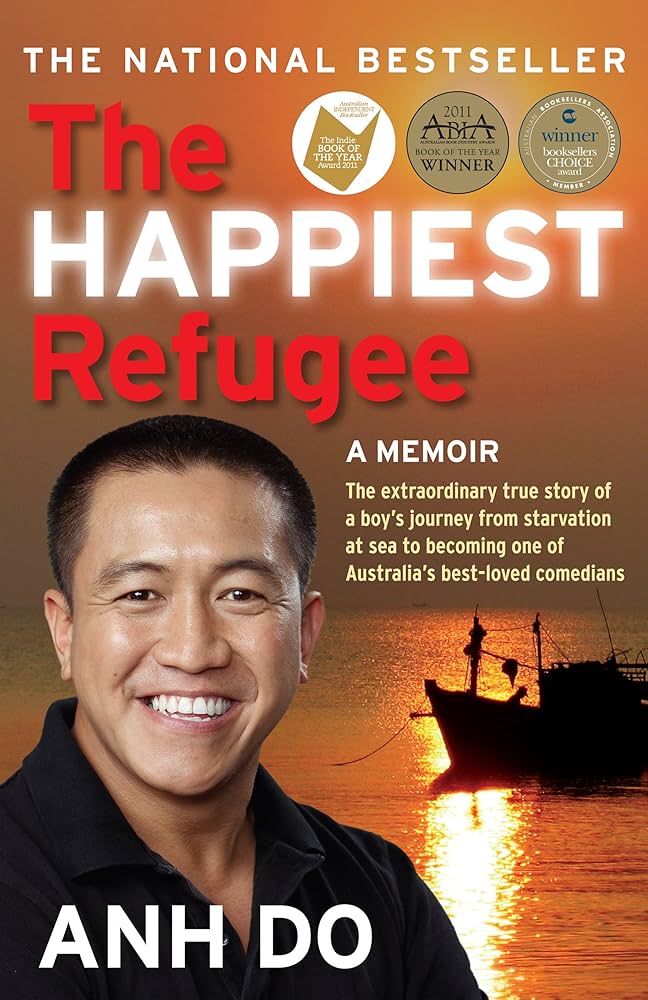
The Happiest Refugee
The Happiest Refugee by Anh Do is a remarkable memoir in which the author describes the incredible journey his family made from Vietnam to Australia aboard an overcrowded boat, attacked by pirates (yes, pirates!).
In Australia, the family faces many challenges: poverty, racism, and cultural misunderstanding. His father left when he was thirteen, leaving Anh’s mother to support the family on her own.
Today, Anh is a very famous, loved Australian comedian and well-known children’s author. It is through his humour and empathy that we learn how his family values, Vietnamese traditions, and a sense of respect strengthen his identity. His optimism and comedy skills became ways to connect and embrace Australian opportunities for which Anh reiterates his heartfelt gratitude.
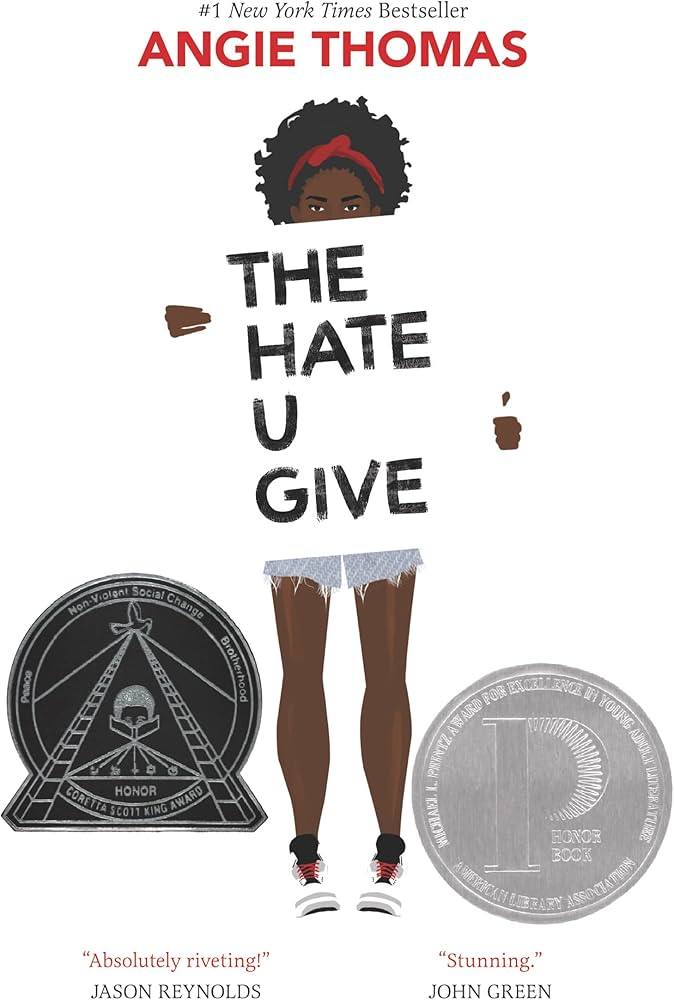
The Hate U Give
The Hate U Give by Angie Thomas is a young adult novel, and although it was published in 2017, its themes and plot remain highly relevant.
Starr is divided between two environments: the poor black suburb where she was born and the posh white high school she has been attending.
But one day, she witnessed the murder of her unarmed childhood friend Khalil by a police officer, and everything changed. The book is about the struggle, fear, and trauma that Starr faces from then on. Her constant code-switching between two neighbourhoods is misunderstood and forces her to hide her true self, until she must find the courage to reclaim her voice and commit to justice.
I will finish this post with a quote from one of my favourite authors, Chimamanda Ngozi Adichie:
“The single story creates stereotypes, and the problem with stereotypes is not that they are untrue, but that they are incomplete. They make one story become the only story”.
Stereotypes are often the lenses through which a cultural identity is seen. And sometimes we see ourselves in those oversimplifying assumptions. But this is only a part of a more complex, interesting and fascinating story.
I invite you to watch the full video: “From The danger of a single story“, TEDGlobal, July 2009.
Alessandra Giacchi
Cover Andrea Piacquadio from Pexels.