


Queer literature is constantly expanding, giving a voice and visibility to LGBTQIA+ people, favoring understanding and empathy toward their experiences and expanding the literary landscape.
In this article, we suggest a series of queer literature from around the world, focusing on books originally written in languages besides English.
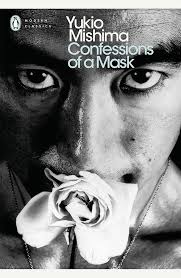
Confessions of a Mask
A classic of modern Japanese literature published in 1949, Confessions of a Mask tells the story of Kochan, a teenager tormented by his attraction towards men and the wish to be “normal”.
This novel is considered semi-autobiographical and is written in the first person. Yukio Mishima was inspired by true events form his life on postwar Japan.
Confessions of a Mask reveals the deep torments of a teenager who feels uncomfortable with himself and unable to accept himself. The author explores the feeling of alienation felt by people who feel different, and through his writing expresses the emotions and suffering of the protagonist in an impeccable manner.
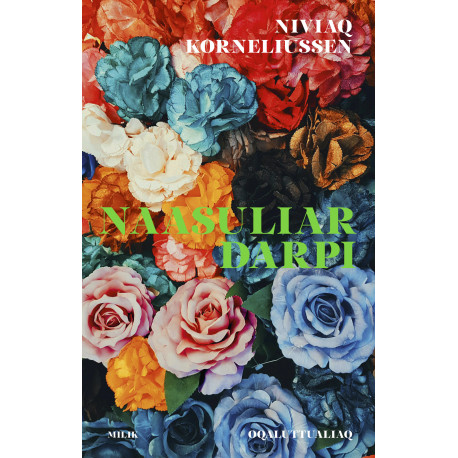
Naasuliardarpi
The second book by Greenlandic author Niviaq Korneliussen, Naasuliardarpi (which translates to Flower Valley) is a poetic work that thoroughly explores the theme of identity, giving a voice to the Inuit youth of the 21st century who grew up in a colonial society.
The protagonist is unnamed, lives in the capital of Greenland, Nuuk, has a girlfriend who loves her, and is about to leave for Denmark. But despite the fact that she is about to find her much-hoped-for freedom, she sinks into a feeling of unease and inadequacy, which in truth she has felt since childhood.
Naasuliardarpi tells about the burnout of a teenager who feels suffocated by the world with a raw, fresh, and ironic voice. An intense novel that is difficult to forget.
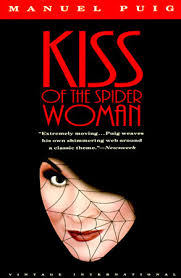
Kiss of the Spider Woman
A novel written by Argentinian author Manuel Puig in 1976, Kiss of the Spider Woman is notable for its colloquial stile that immediately captures your attention, engaging the reader in the plot that takes place almost entirely in a cell.
The two protagonists, Valentin, a young dissident leader, and Molina, a middle-aged homosexual man, find themselves sharing a cell in a prison in Buenos Aires. Despite their differences, they become close by telling each other about old movies.
This book is easy to read. Through the dialogue, Puig builds a story rich in vivid imagery. At the end, the protagonists leave their shared cell more mature and ready to face life.
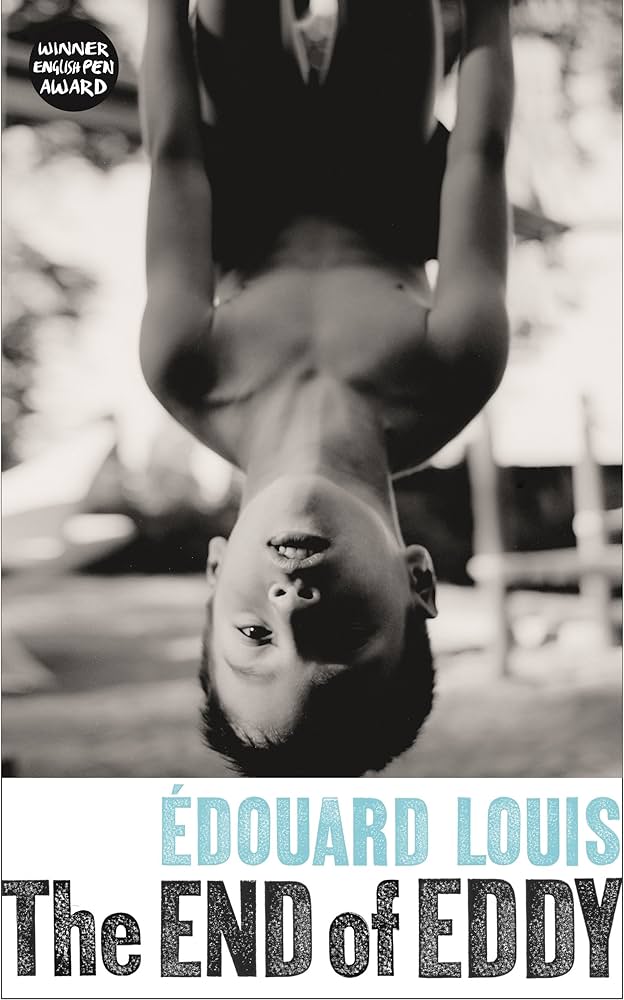
The End of Eddy
A very autobiographical novel, Edouard Louis was 21 when he pubblished this book. It tells the story of the brave young protagonist rising above homophobia and ignorance.
Eddy Belleguele is born in a little town in northern France, in a working family, in a difficult and often violent environment. Different from his father, his brother, and the men in his village, he is unable to adjust to their expectations. With his sensitivity and love for theater, he quickly becomes marginalized and a target.
In The End of Eddy, Edouard Louis tells about his difficult path toward freedom and how he was able to change a seemingly set destiny thanks to his intelligence, determination, and passion.
Fair Play
Tove Jansson was born in Helsinki in 1914 and belonged to a Swedish-speaking minority in Finland. She is considered an iconic figure in her homeland and is known worldwide for her children’s books.
Fair Play is a touching autobiographical novel in which the author tells about a 40-year-long relationship between Mari and Johanna. It is told as a collection of small episodes of daily life in which she describes a relationship based on respect, independence, and love for art and literature, shared in a little house on an island, in front of the open ocean.
Tove Jansson writes with simplicity and clarity, allowing the reader to imagine the relationship between the two women formed by complicity and irony, in the complete respect of each other’s space, building an authentic exchange full of fondness.

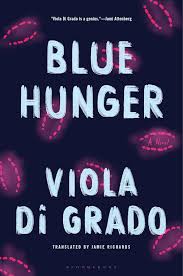
Blue Hunger
To conclude, we recommend a novel originally written in Italian by Viola di Grado, a Sicilian author and translator who lives in London.
Blue Hunger is a detailed exploration of death and what it means to lose a part of yourself. It follows the protagonist who moves from Rome to Shanghai after the death of her twin brother, trying to escape the pain. There, she meets the enigmatic Xu and is immediately attracted by her uniqueness and ability to not care about consequences. This attraction becomes obsessive and dangerous.
Viola di Grado writes a dark and difficult novel, in which Asian cultures mix with European ones, in a vast and alienating Shanghai.
Barbara Amalberti, translated from Italian by EDV
Image by Astrobobo from Pixabay